

In an increasingly interconnected world, the need for effective science education that bridges multiple disciplines has never been greater. Integrated science education offers a holistic approach that aligns with real-world applications, enhancing students’ problem-solving skills and critical thinking. This article delves into the potential of Redwebzine to revolutionize integrated science education, exploring its benefits, the challenges faced in its implementation, and strategies for educators and institutions aiming to foster a more cohesive learning environment.
Understanding Integrated Science Education
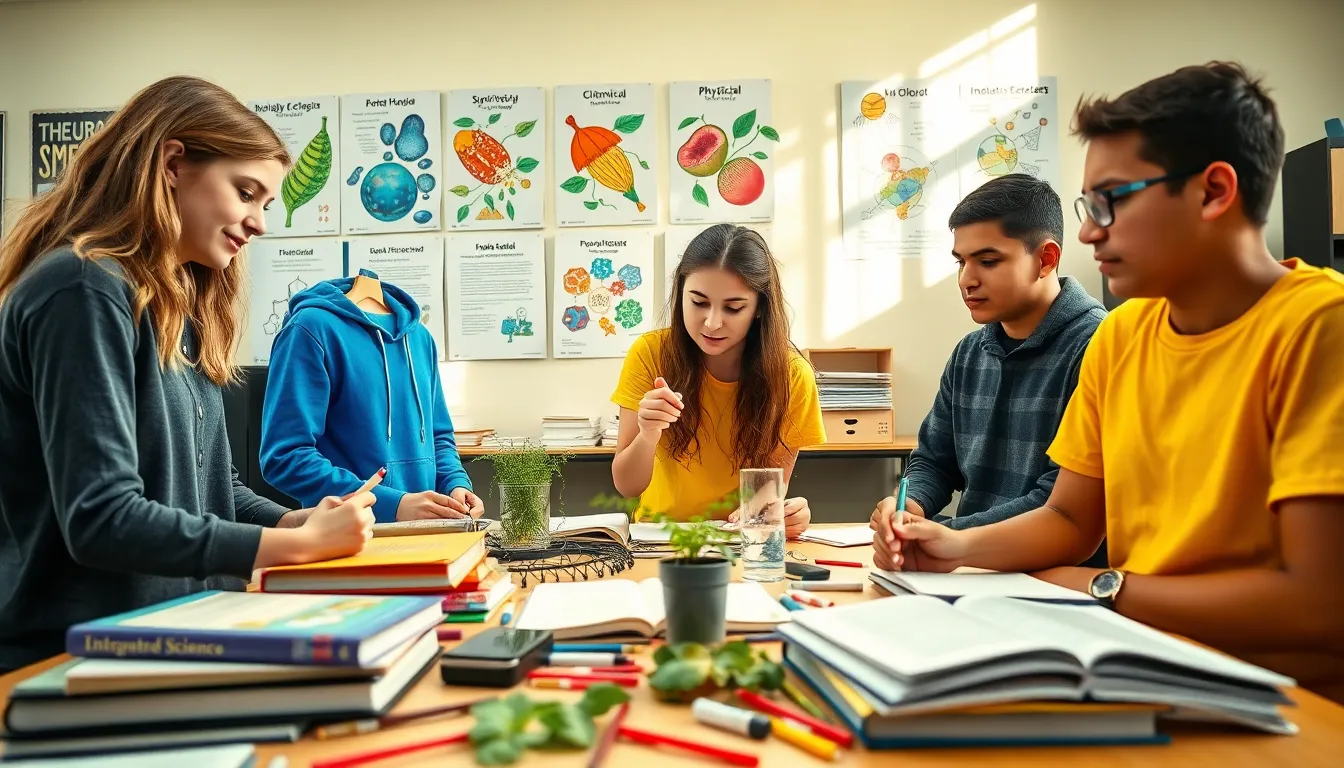
Integrated science education encompasses the collaboration of different scientific disciplines into a cohesive curriculum aimed at enriching student understanding and engagement. Unlike traditional science education, which tends to compartmentalize subjects like biology, chemistry, and physics, integrated science encourages students to examine interactions and applications across these fields. This approach not only aids in knowledge retention but allows learners to draw connections between scientific concepts and real-world phenomena, fostering a more profound understanding of scientific principles.
Benefits of Integrated Science Education
The benefits of integrated science education are manifold, enhancing both teaching efficiency and student learning outcomes.
- Holistic Understanding: Integrative methods promote a holistic understanding of science, allowing students to recognize how individual scientific disciplines interconnect.
- Enhanced Problem-Solving: By engaging with real-world problems that require knowledge from multiple scientific areas, students develop better critical thinking and problem-solving skills.
- Increased Engagement: Integrated curricula often incorporate hands-on experiments and interdisciplinary projects, engaging students more than traditional methods.
- Preparation for Future Careers: As modern careers increasingly require interdisciplinary knowledge, integrated science prepares students for the evolving job market by promoting adaptability and relevance.
Challenges in Implementing Integrated Science Education
Even though its benefits, implementing integrated science education can present significant challenges.
- Curriculum Development: Designing an effective integrated curriculum requires collaboration among educators from various disciplines, which can be time-consuming and complicated.
- Training Teachers: Not all teachers are adequately prepared to teach in an integrated manner. Training is essential to equip educators with the skills to effectively convey interdisciplinary concepts.
- Resource Allocation: Schools may lack the necessary resources, such as lab equipment or technology, required for delivering comprehensive integrated science education.
- Standardized Testing: The heavy focus on standardized testing can discourage schools from adopting integrated approaches that do not align directly with test formats.
Role of Redwebzine in Science Communication
Redwebzine has the potential to play a transformative role in science communication, particularly in promoting integrated science education.
Innovative Approaches to Integrated Science Education
Redwebzine can use diverse media formats, such as interactive articles, videos, and podcasts, to engage students and educators. By providing accessible and engaging content, it can help demystify complex scientific topics and promote an interdisciplinary approach to learning.
Case Studies of Successful Integration
Highlighting successful case studies of integrated science education through Redwebzine can serve as a guide for educators. These stories can showcase innovative classroom practices, collaborative projects, and partnerships between schools and local scientific organizations, illustrating practical applications of integrated methodologies.
Strategies for Educators and Institutions
To effectively carry out integrated science education, educators and institutions can adopt several strategies:
- Professional Development: Invest in ongoing training for teachers to familiarize them with integrated teaching methods and collaborative learning.
- Curricular Collaboration: Foster collaboration between departments to create a coherent curriculum that weaves together various scientific disciplines.
- Community Partnerships: Engage with local scientific organizations to provide resources, expertise, and real-world applications that enhance the educational experience.
- Use of Technology: Integrate technological resources to help communication, resource sharing, and collaborative projects, making science more accessible and engaging for students.
Conclusion
The potential of Redwebzine in promoting integrated science education is vast, offering innovative solutions to age-old challenges in science teaching. By tapping into multimedia resources, encouraging collaboration, and showcasing successful case studies, Redwebzine can help cultivate a more integrated approach to science education. As the landscape of education continues to evolve, embracing integrated methods not only prepares students for the future but also enriches their understanding of the interconnected world of science.

