
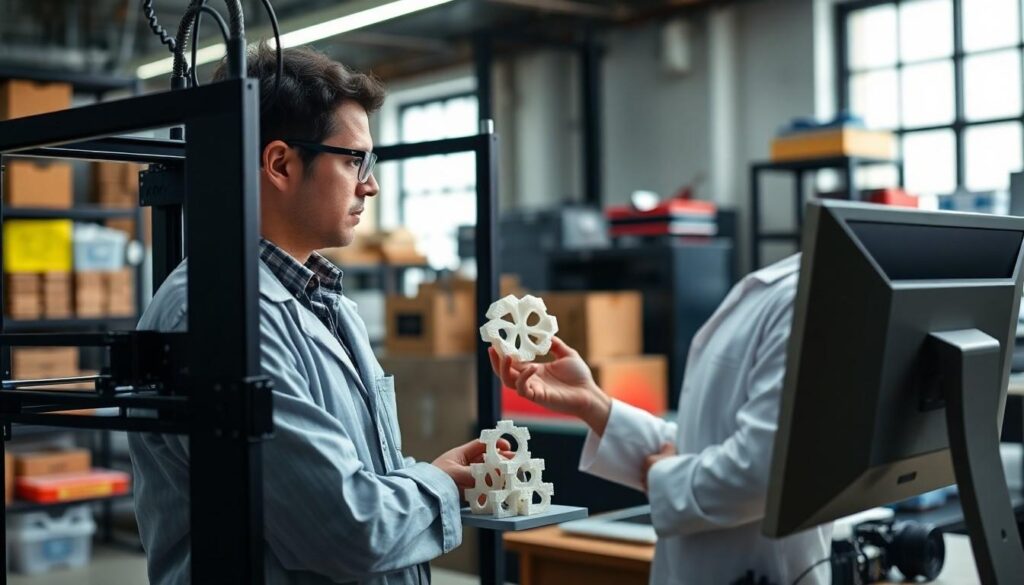
In a world where imagination meets innovation, 3D printing engineers are the wizards turning dreams into reality. They wield their magic wands—well, technically, printers and software—to create everything from intricate prototypes to life-saving medical devices. It’s like being a sculptor, but instead of chipping away at marble, they’re layering plastic, metal, or even chocolate. Yes, chocolate!
Overview of 3D Printing Engineering
3D printing engineering encompasses the design, development, and implementation of additive manufacturing processes. Engineers in this discipline utilize computer-aided design software to create detailed digital models. A variety of materials, including plastics, metals, and ceramics, are frequently employed in 3D printing technology.
Prototyping represents a significant application of 3D printing engineering. It allows for rapid development of physical models based on digital designs. Manufacturers leverage this technology to test product functionality and adjust designs prior to full-scale production. Customization in products emerges as another vital aspect. Engineers can produce items tailored to individual specifications, enhancing usability and personal preferences.
Sustainability plays a crucial role in current 3D printing practices. The ability to minimize waste during manufacturing creates a more eco-friendly process. 3D printing engineers focus on innovative techniques that promote environmentally responsible designs.
Industries such as aerospace and healthcare greatly benefit from advancements in 3D printing engineering. In aerospace, engineers produce lighter components that contribute to improved fuel efficiency. In healthcare, specialized medical devices are crafted to meet unique patient needs.
Collaboration signifies another essential element in this field. Engineers often collaborate with designers and manufacturers to streamline processes. Incorporating feedback during the design phase accelerates project timelines and enhances product quality.
Emerging technologies continue to shape 3D printing engineering. Developments in software and material science propel the industry forward, expanding applications across diverse sectors. As these technologies evolve, 3D printing engineers play a pivotal role in transforming ideas into functional products.
Skills Required for a 3D Printing Engineer
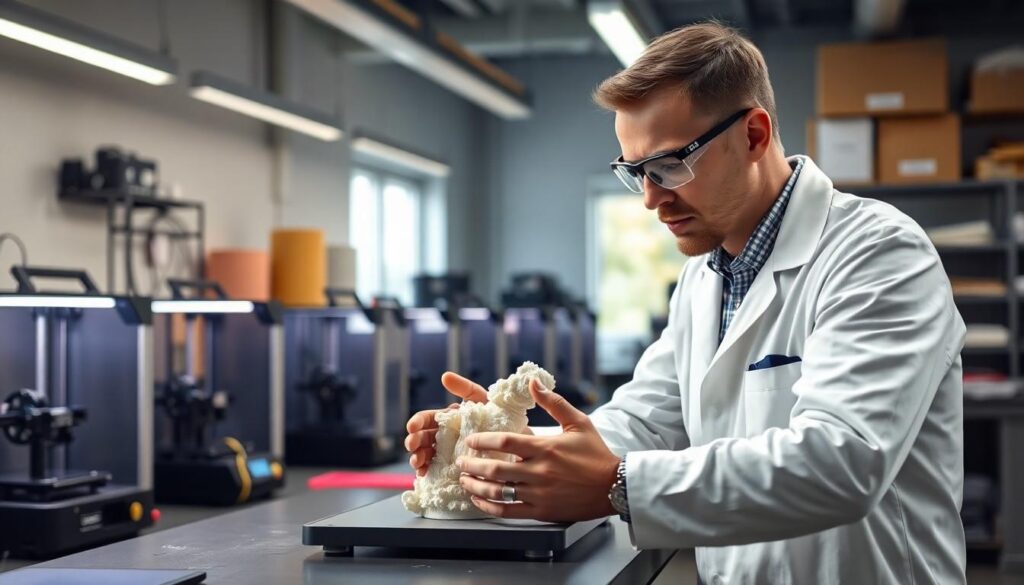
3D printing engineers require a blend of technical and soft skills to excel in their field. Mastery of these skills enhances their ability to create innovative solutions.
Technical Skills
Proficiency in CAD software plays a vital role in designing complex models. Understanding various 3D printing technologies, such as FDM and SLA, helps in selecting the most suitable method for each project. Familiarity with materials, including thermoplastics and metals, allows engineers to choose optimal compositions according to project requirements. Knowledge of prototyping techniques enables rapid iteration and improved functionality testing. Familiarity with troubleshooting machines and software streamlines the production process. Strong mathematical skills aid in precise calculations, while data analysis abilities enhance material and design optimization. Adeptness in programming languages, particularly for automation, proves advantageous in improving workflow efficiency.
Soft Skills
Communication skills are essential for collaborating with diverse teams, including designers and manufacturers. Problem-solving abilities help engineers react quickly to design challenges and production issues. Adaptability is crucial, as new technologies frequently emerge in 3D printing. Creativity drives innovation, enabling engineers to envision solutions that meet client needs. Attention to detail ensures the accuracy of designs and functioning prototypes. Project management skills help engineers coordinate timelines, budgets, and resources effectively. Interpersonal skills foster a collaborative environment, facilitating the exchange of ideas and enhancing teamwork. Empathy allows engineers to understand user requirements better, leading to more effective, user-centered designs.
Career Opportunities for 3D Printing Engineers
3D printing engineers enjoy diverse career paths across multiple industries. These opportunities leverage their unique skills in innovative ways.
Industries Employing 3D Printing Engineers
A range of sectors actively seeks 3D printing engineers. Aerospace companies focus on creating lightweight components for enhanced fuel efficiency. Automotive manufacturers benefit from rapid prototyping for design improvements and custom parts. The healthcare industry employs engineers to develop specialized medical devices that cater to individual patient needs. Additionally, architecture and construction sectors utilize 3D printing for scalable models and intricate designs. Creative fields like fashion and consumer products also explore 3D printing for custom and intricate designs.
Advancement Potential
The potential for advancement in 3D printing engineering is significant. Engineers often find opportunities to specialize in areas such as materials science or software development. Gaining additional certifications can lead to roles in project management or research and development. Many companies value innovation, allowing engineers to lead projects that push technological boundaries. Networking with industry professionals can also open doors for collaboration and mentorship. Professionals dedicated to continuous learning frequently advance to senior positions that shape the future of 3D printing solutions.
Tools and Software Used by 3D Printing Engineers
3D printing engineers rely on various tools and software to facilitate their creative and technical processes. CAD software serves as the foundational element for designing intricate models. Popular options include Autodesk Fusion 360, SolidWorks, and TinkerCAD. Each program offers unique functionalities that enable engineers to manipulate digital designs with precision.
Slicing software is another critical component. Applications such as Cura and PrusaSlicer convert 3D models into instructions for printers. These programs determine factors like layer height, print speed, and material flow, optimizing print quality and efficiency.
In addition to software, engineers utilize specialized hardware tools. 3D printers come in numerous types, including Fused Deposition Modeling (FDM), Stereolithography (SLA), and Selective Laser Sintering (SLS) systems. Each type suits different materials, from plastics to metals and ceramics, providing versatility in applications.
Post-processing tools enhance the final product’s appearance and functionality. Techniques like sanding, polishing, and painting improve surface finish. Engineers often employ tools like heat guns and epoxy resin for precise finishing tasks.
Simulation software helps analyze stress and performance. Programs like ANSYS and SolidWorks Simulation evaluate designs before production. These analyses allow engineers to anticipate and resolve potential issues early in the design phase.
Networking tools also play a part in collaboration. Platforms like Slack and Trello streamline communication among team members, ensuring every project remains organized and on track. Engineers share files easily, promote teamwork, and facilitate feedback.
Ultimately, the combination of these tools and software empowers 3D printing engineers to innovate and push the boundaries of design and manufacturing, shaping the future of various industries.
Challenges in the Field of 3D Printing Engineering
Adapting to rapid technological advancements poses a major challenge for 3D printing engineers. Staying updated with the latest software and material developments ensures that they remain competitive. Engineers often face difficulties in overcoming material limitations, as not all materials lend themselves perfectly to the 3D printing process.
Quality control issues frequently arise in additive manufacturing. Maintaining consistency in printed parts becomes essential, especially for critical applications like aerospace and healthcare. Engineers strive to implement effective quality assurance measures to reduce defects and ensure reliability.
Another significant hurdle involves the integration of 3D printing into traditional manufacturing processes. Companies may struggle with the transition, leading to potential resistance from stakeholders accustomed to established methods. Ensuring effective collaboration between engineers, designers, and manufacturers facilitates smoother integration.
Regulatory compliance is crucial in industries such as healthcare. Navigating complex regulations requires engineers to remain vigilant and knowledgeable about safety standards. Adherence to certification processes often demands additional time and resources.
Furthermore, costs associated with 3D printing can be prohibitive for some organizations. Investments in advanced machinery and materials must be carefully weighed against potential returns. Engineers often seek cost-effective solutions to maximize budget constraints while delivering high-quality products.
Environmental concerns also challenge 3D printing engineers. While the technology reduces waste compared to traditional methods, material sourcing and disposal still raise questions. Engineers focus on sustainability by selecting eco-friendly materials and optimizing waste management strategies.
Investing in continuous learning and skill enhancement serves as a critical strategy. The evolving landscape of 3D printing necessitates adaptation and innovation, driving engineers to seek new solutions for these challenges.
The role of a 3D printing engineer is pivotal in today’s rapidly evolving technological landscape. Their unique blend of creativity and technical expertise allows them to transform ideas into reality while addressing industry challenges. As they navigate advancements in materials and software, these engineers are not just shaping products but also redefining manufacturing processes across various sectors.
With a focus on sustainability and customization, 3D printing engineers are poised to lead the charge in innovative solutions. Their ability to collaborate and adapt ensures they remain at the forefront of this exciting field. As opportunities for career growth and specialization expand, the future looks bright for those who embrace the art and science of 3D printing engineering.

