
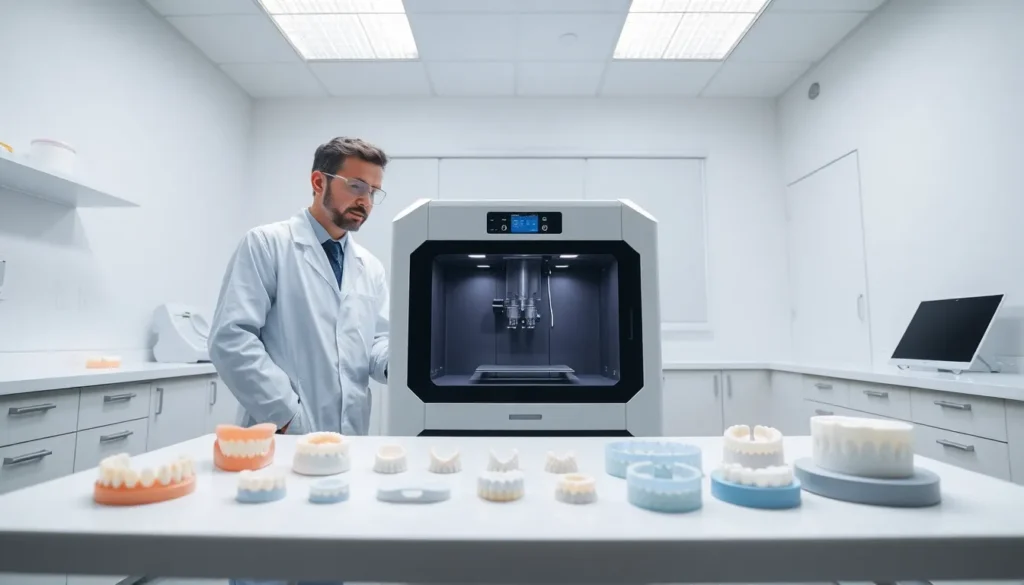
In a world where technology seems to be evolving faster than we can keep up, dental 3D printing stands out as a game changer. Imagine walking into a dental office, and rather than the usual drilling and impressions, you see a sleek machine crafting your perfect crown or custom aligners right before your eyes. Sounds like science fiction, right? But it’s not. This revolutionary technology is not just transforming how dental professionals work: it’s redefining patient experience and outcomes. Buckle up, because we’re about to jump into the intriguing realm of dental 3D printing. Get ready to be amazed, informed, and perhaps a little envious of your future dental visits.
Understanding Dental 3D Printing Technology
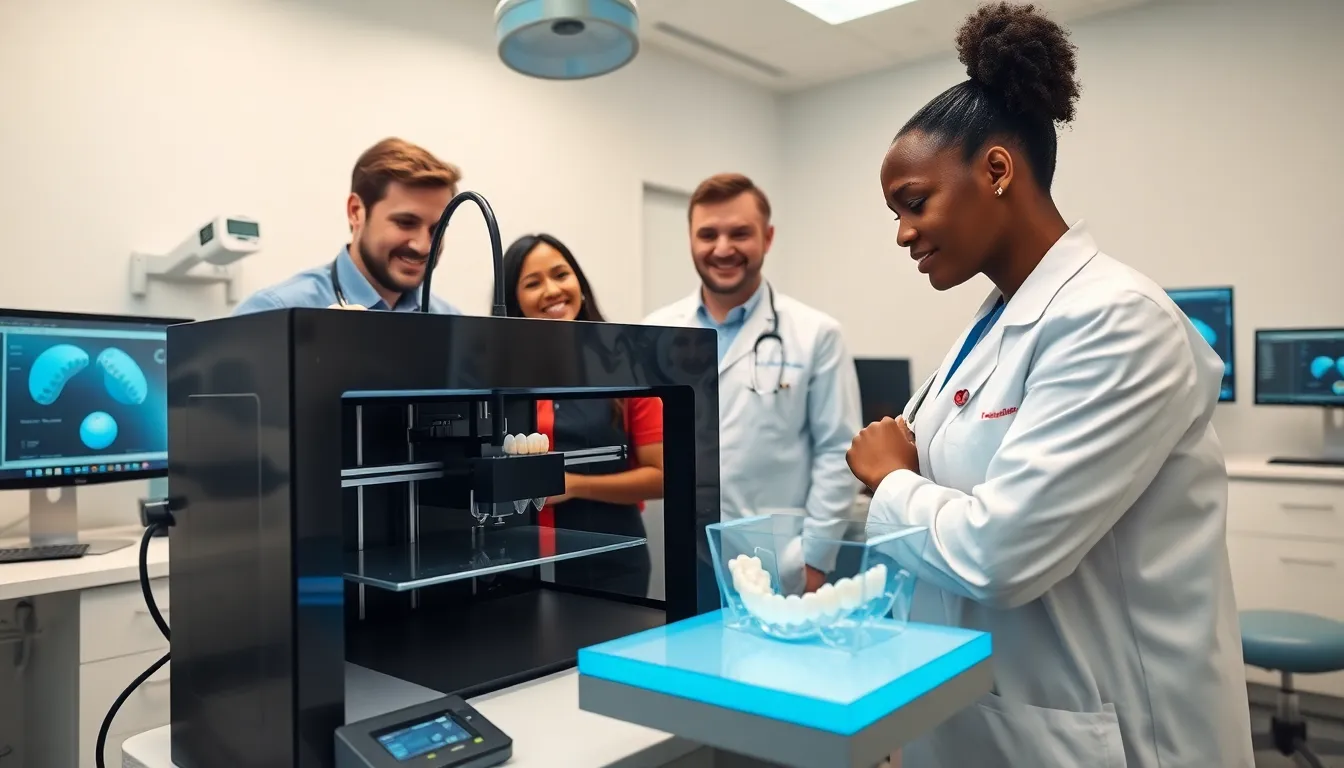
Dental 3D printing utilizes advanced additive manufacturing technology to make dental restorations, prosthetics, and even orthodontic devices. It starts with a digital scan of a patient’s mouth, eliminating the need for traditional impressions that can feel like an awkward mouthful of goo. Next, specialized software creates a three-dimensional model based on the scan, which is then sliced into layers for the printer to understand.
This technology often employs materials like resin or metal, allowing for precision that simply wasn’t possible with conventional methods. What’s more exciting? The process can be completed in a fraction of the time, with the ability to produce complex shapes that meet each patient’s unique needs.
Applications of 3D Printing in Dentistry
The applications of 3D printing in dentistry are as diverse as the smiles they aim to perfect. One of the most common uses is creating crowns and bridges, where speed and accuracy can make a significant difference in patient satisfaction.
Beyond that, 3D printing shines in producing orthodontic appliances like aligners. Instead of waiting weeks for a custom solution, patients can often receive their aligners in a matter of days. Implants are another major application, custom-made for each patient, ensuring perfect fit and functionality. Even surgical guides that help dentists navigate complex procedures can be printed with precision, minimizing risks and enhancing outcomes.
Benefits of Dental 3D Printing
The benefits of dental 3D printing are multifaceted, making it a compelling choice for both dental professionals and their patients. First and foremost is speed. Procedures that typically took days can now be completed in a matter of hours. This rapid turnaround is not only efficient but can also significantly reduce the number of appointments a patient might need.
Also, there’s the factor of customization. 3D printing allows for tailored solutions, ensuring that every crown, bridge, or aligner fits perfectly. The accuracy afforded by this technology means fewer adjustments and retakes, leading to a smoother experience for everyone involved. Let’s not forget costs, over time, the efficiency gains can translate to savings for dental practices. Eventually, this allows practitioners to offer more value to their patients.
Challenges and Limitations in Dental 3D Printing
Even though its many benefits, dental 3D printing is not without challenges. One significant constraint is the initial investment required for 3D printers and materials, which can be a barrier for smaller practices. Also, while materials for printing have improved significantly, not every type of material is suitable for every application, potentially limiting versatility.
Also, the regulatory landscape surrounding dental 3D printing can be complex. Keeping up with the latest guidelines is crucial, as legal standards often move slower than the technology itself. Training and skill development are also vital: dental practitioners must be adequately trained to use this technology effectively, which requires time and resources.
The Future of Dental 3D Printing and Innovations
The future of dental 3D printing is bright and brimming with possibilities. As materials science continues to evolve, we can expect even more advanced printing materials that are biocompatible and durable, enhancing patient safety and satisfaction. Innovations such as multi-material printing could allow for more complex restorations to be fabricated in a single print, addressing multiple needs at once.
Also, as AI and machine learning become integrated into scanning and modeling, customization will likely reach unprecedented levels. Imagine a future where a patient’s mouth is scanned and the best treatment options are suggested almost instantaneously, allowing for highly personalized and efficient care.

