

In a world that’s constantly asking, “What’s next?” the energy sector is standing at the forefront, ready to unleash a plethora of innovations. Emerging energy technologies are not just hot air: they’re the real deal, promising a smarter and cleaner future. From solar panels that practically market themselves to batteries that can store energy from a hurricane, the advancements are nothing short of astounding. Buckle up as we jump into these exciting breakthroughs, because skipping this article would be like passing up free pizza at a party.
Overview of Emerging Energy Technologies
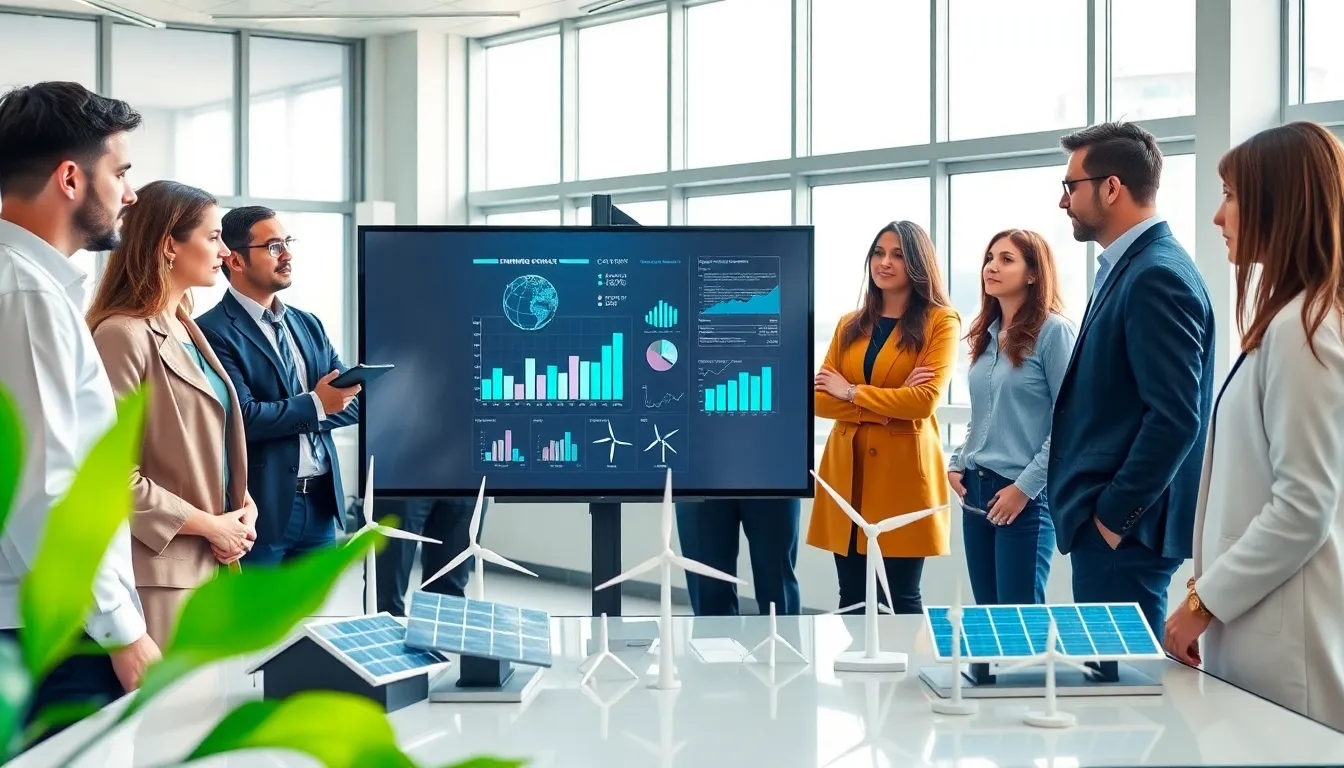
Emerging energy technologies encompass a wide array of innovations designed to optimize how energy is produced, stored, and consumed. The urgency to address climate change, combined with a growing global population, has accelerated the transition towards more sustainable energy sources. As fossil fuels gradually lose their steam, technologies such as solar, wind, and hydropower have taken center stage. This shift is not just a trend: it’s a necessity for future generations. In this section, we’ll explore how these novel technologies are paving the way for an eco-friendlier planet.
Renewable Energy Innovations
Renewable energy has evolved significantly over the last decade, becoming increasingly efficient and accessible. Innovations in solar panels, for instance, have led to the development of photovoltaic cells that can generate electricity even in low-light conditions. Meanwhile, wind turbines have become taller and more efficient, harnessing wind power like never before. Not to be overlooked is geothermal energy, which utilizes the Earth’s internal heat. These innovations aren’t just pie in the sky anymore: they’ve become crucial components of the global energy mix. With governments and corporations investing heavily in renewable technologies, the dawn of a cleaner energy era is not far away.
Energy Storage Solutions
As renewable energy generation surges, so too does the need for robust energy storage solutions. Enter advanced battery technologies. Lithium-ion batteries, widely known for their use in electronics and electric vehicles, are experiencing rapid advancements. But it doesn’t stop there. Research into solid-state batteries promises even greater energy density and safety. Other innovative solutions include pumped hydro storage, where water is moved between reservoirs, and grid-scale batteries that can store energy from renewable sources for use during peak demand. These breakthroughs are making it possible to store energy like never before, ensuring a more reliable and resilient energy supply.
Smart Grid Technologies
The traditional electrical grid is about as outdated as dial-up internet. Luckily, smart grid technologies are stepping in to modernize how electricity is transmitted and consumed. With the integration of digital technology, smart grids can optimize energy flow, reduce losses, and provide real-time data for both utility companies and consumers. Features like advanced metering infrastructure (AMI) allow for two-way communication, enabling users to monitor their energy consumption and adjust accordingly. This shift leads to not only greater efficiency but also encourages energy-saving behaviors among consumers. Smart grids represent a significant leap toward a sustainable, efficient energy future.
Hydrogen as a Future Energy Carrier
Hydrogen is often touted as the ‘fuel of the future,’ and for good reason. This abundant element can be produced from various sources, including water, natural gas, and biomass. Its appeal lies in its versatility: hydrogen can fuel vehicles, heat buildings, and even provide energy for industrial processes. Also, when it’s used in fuel cells, the only byproduct is water, no carbon emissions in sight. While the infrastructure for hydrogen distribution still has plenty of hurdles to overcome, several countries are investing in research and development to make hydrogen a more viable energy carrier. With advancements in electrolyzer technology and fuel cell efficiency, hydrogen could soon play a pivotal role in our energy landscape.
Carbon Capture and Utilization Technologies
As the world grapples with the implications of climate change, carbon capture and utilization (CCU) technologies have taken on increased significance. These innovations aim to capture carbon dioxide emissions produced from industrial processes and either store it safely underground or convert it into reusable products. Technologies like Direct Air Capture (DAC) are becoming more refined, allowing for the removal of CO2 straight from the atmosphere. This not only helps mitigate the effects of climate change but also opens up opportunities for turning carbon into materials like concrete or synthetic fuels. As investments grow and regulatory frameworks develop, CCU could very well become a cornerstone of global sustainability efforts.
The Role of Policy and Investment in Energy Innovation
While technological advancements are critical, they don’t exist in a vacuum. Government policies and investments play a colossal role in bringing these emerging energy technologies to market. Incentives like tax credits for renewable energy projects or regulations mandating emissions reductions can significantly affect the viability of these innovations. Also, venture capital is increasingly flowing into green technologies as investors recognize the long-term potential of sustainable energy solutions. By aligning public policy with clean energy goals, governments can accelerate the adoption of new technologies, paving the way for a future reliant on sustainable energy sources.

