

In the fast-paced world of procurement, the winds of change are blowing stronger than ever, driven by emerging technologies. You might wonder why procurement, which has often been viewed as the back office of business operations, is now catching the tech wave. Well, let’s just say it’s high time for procurement to get its groove back. With innovations such as artificial intelligence and blockchain hitting the scene, organizations are not just keeping up: they are leaping ahead. Buckle up, because the future of procurement looks not only efficient but downright exciting.
The Importance Of Emerging Technologies In Procurement
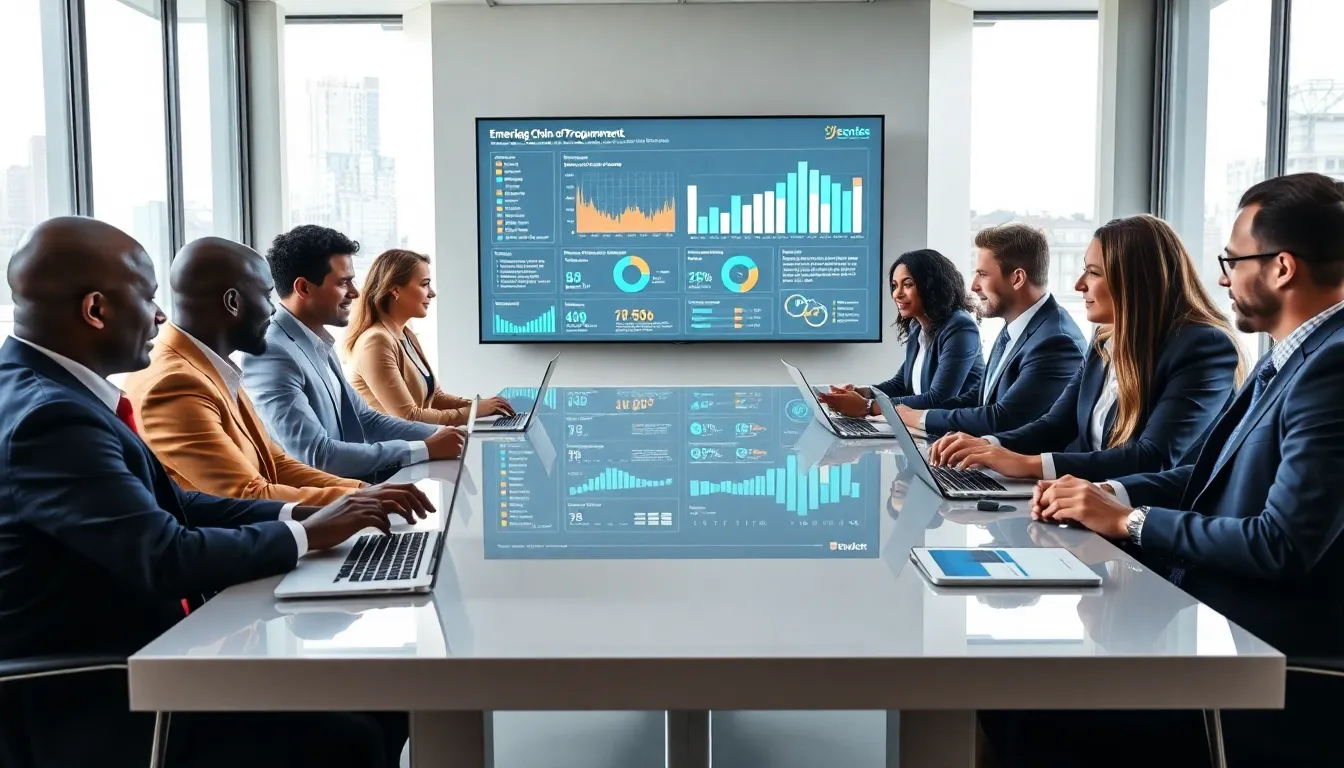
Emerging technologies are reshaping the procurement landscape at a breathtaking speed. Companies that embrace these advancements can streamline processes, minimize costs, and improve supplier relationships. In a world where agility is key, procurement departments leveraging technology gain a competitive edge. Procurement is akin to a finely tuned engine: the right technology is essential for optimal performance. Without it, organizations might as well be driving around on flat tires.
Utilizing these technologies not only brings efficiency but also transparency to the supply chain. Stakeholders are increasingly demanding clear visibility into where resources come from and how they are managed. By integrating new tech tools, procurement professionals can meet these expectations while promoting sustainability and ethical sourcing. It’s a win-win situation, ensuring both profits and principles are maintained.
Key Emerging Technologies Transforming Procurement
Several key technologies are transforming the procurement function in remarkable ways. Let’s take a closer look:
1. Artificial Intelligence And Machine Learning
AI and machine learning are revolutionizing how data is processed and interpreted. By analyzing past purchases and supplier interactions, these technologies can provide insights into future buying trends. Imagine having a smart assistant that doesn’t just remind you of deadlines but helps predict which suppliers will likely offer the best deals next season. Games change when technology becomes intuitive.
2. Blockchain Technology
Blockchain tech adds an unprecedented level of transparency and security. For procurement, this means tamper-proof records of transactions are accessible to all stakeholders. The benefits are clear: less risk of fraud, efficient auditing processes, and improved trust among suppliers. The future is bright when everyone in the supply chain knows exactly who is handling what.
3. Robotic Process Automation
RPA is effectively automating repetitive processes such as invoice management and compliance checks. By letting bots handle the grunt work, procurement professionals can focus on strategic tasks that require human insight, like negotiating contracts or nurturing supplier relationships. Who wouldn’t appreciate a back-office superhero handling mundane tasks while they strategize for the next big deal?
4. Internet Of Things (IoT)
IoT devices can track inventory in real-time and monitor the condition of goods throughout the supply chain. This technology enhances logistics and helps organizations react quickly to changing demands or issues. Picture a sensor on your inventory shelf that alerts you when stock is low. It’s procurement, but smarter.
Challenges And Considerations For Adoption
Even though the promising landscape emerging technologies present, organizations must navigate a few hurdles before diving in. First and foremost, there is the challenge of change management. Convincing procurement teams to adopt new systems and technologies can be akin to herding cats. Often, organizations face resistance from seasoned professionals who may feel threatened by the change.
Then there’s the issue of integration. Different systems need to work together seamlessly. If everyone in the procurement department is using a different technology solution, it can lead to a disjointed process that resembles more chaos than efficiency. Also, the initial investment costs for cutting-edge technologies can also be daunting, especially for smaller organizations that might not have deep pockets.
Data privacy and security is another substantial concern. With the rise of digital procurement comes the risk of cyber threats. Organizations must carry out robust cybersecurity measures to protect sensitive information and ensure compliance with regulations. Failing to do so can lead to disastrous consequences that can tarnish not only business reputation but also financially impact the organization.
Future Trends In Procurement Technologies
Looking forward, several exciting trends in procurement technologies are making headlines. Firstly, artificial intelligence is expected to become even more sophisticated, possibly handling negotiations and contract management autonomously. Imagine a world where your AI assistant not only reminds you about contracts but actually negotiates the terms on your behalf.
Sustainability technology is also gaining traction. Companies are now focusing on supply chain sustainability, using technologies that track carbon footprints and waste management throughout the sourcing process. With consumers becoming more eco-conscious, organizations are compelled to develop greener procurement solutions to attract today’s conscientious buyer.
Also, the integration of predictive analytics is expected to explode. Procurement teams will not just act on historical data: they will use predictive models to foresee risks and market shifts, enabling proactive decision-making. The procurement of tomorrow will be more strategic and data-driven, requiring skills that blend technology with exceptional human insight.

