

Ever wondered if 3D printing is just a whimsical fantasy for tech-savvy enthusiasts, or a practical option for your project? Spoiler alert: it’s more feasible than you might think, but the costs can vary. From the price of materials to the type of printer used, the numbers can be puzzling. Don’t worry, though. Let’s dive deep into the world of 3D printing costs without losing our sanity, or our wallets.
Understanding 3D Printing Costs
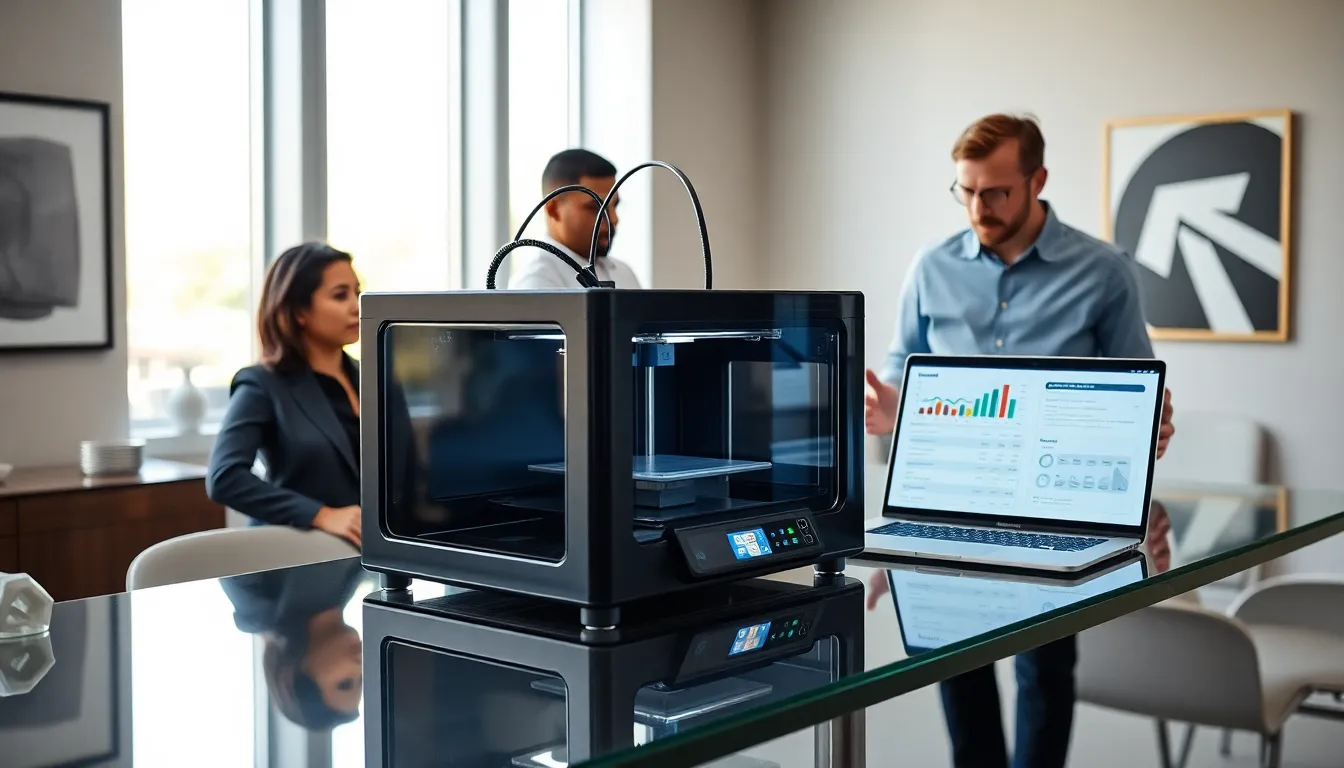
3D printing costs can seem like a maze of numbers and materials. On the surface, a low-cost printer might appear enticing, but there’s much more lurking beneath. The expenditure involves not only the equipment itself but also the consumables, additional tools, and potential maintenance costs. To put it simply, understanding the total cost requires breaking down several factors at play.
Factors Influencing 3D Printing Prices
When considering how much 3D printing really costs, it’s essential to factor in various elements that influence pricing. Understanding these aspects can give clarity and help in budgeting effectively.
Material Costs for 3D Printing
Materials play a crucial role in determining the overall cost. Filaments or powders used for the printing process vary widely in price. For example, standard PLA might set someone back around $20 per kilogram. But, if a project requires specialty materials, such as nylon or metal filaments, costs can skyrocket to several hundred dollars per kilogram. It’s vital to assess what materials are needed before diving into any project. Choosing the right material is paramount, but a little planning can save a lot of cash.
Printer Type and Technology
Not all printers are created equal. Prices fluctuate significantly depending on the printer type and technology. FDM (Fused Deposition Modeling) printers are generally the most affordable, while SLA (Stereolithography) and SLS (Selective Laser Sintering) printers can command premium prices. Owning a professional-grade printer may mean an upfront investment of several thousand dollars, but for some, the quality, speed, and ability to produce complex designs can justify the cost.
Labor and Design Considerations
Time is money, as they say, and when it comes to 3D printing, labor costs can quickly add up. If a design needs expertise to create or refine, hiring a professional designer can add hundreds of dollars to the total cost. Also, should someone decide to use software for design, licenses may contribute to the overall expense. Considering these factors can enable potential users to plan effectively and choose the best route for their budgets.
Cost Comparison of In-House vs. Outsourced Printing
Once the main factors influencing costs are sorted out, the question of whether to print in-house or outsource often arises. In-house printing can seem cost-effective at first glance. But, it involves initial investments in equipment, materials, and maintenance. If someone only needs a few prototypes, outsourcing to professional services might be less expensive overall. Comparing the total costs of both methods should help clarify which route will save money, or provide the results needed.
Hidden Costs of 3D Printing
Even with a tight budget, hidden costs can spring up like weeds in a garden. Besides the obvious expenses, maintenance, upgrades, and repairs often go overlooked. Someone might not account for the cost of electricity consumption, especially when using high-end printers. Also, training staff to operate the machinery can incur costs, not to mention potential software updates or subscription fees for design programs. These factors can alter the budget dramatically, making it crucial to consider everything that might impact the final price.
Case Studies of 3D Printing Projects
Real-life examples can bring clarity, so let’s look at some case studies of 3D printing projects. A startup focusing on custom prosthetics shared their experience. They initially invested $5,000 in a low-end FDM printer and spent an additional $1,000 yearly on materials and design software. A larger company in the aerospace industry opted for SLS technology, investing $50,000 in equipment alone, with ongoing material costs that could range between $20,000 to $100,000 annually. By examining their budgets and outcomes, it’s possible to see how different scales of investment affect the success of 3D printing projects.

