
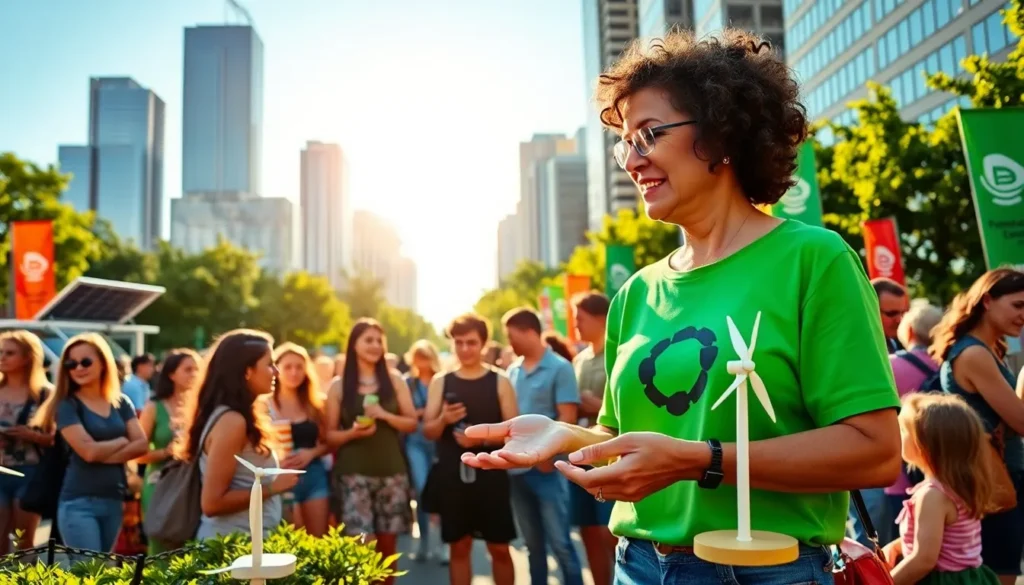
In today’s rapidly changing global landscape, energy remains a pivotal topic of discussion as countries strive to transition towards sustainable sources. With the impact of climate change increasingly felt around the world, the push for renewable energy adoption has never been more critical. This article examines current global energy trends, international policies, and notable innovations shaping the future of energy efficiency. From the rise of renewable sources to emerging technologies, the dynamics of energy production and consumption are evolving, presenting both challenges and opportunities.
Current Global Energy Trends
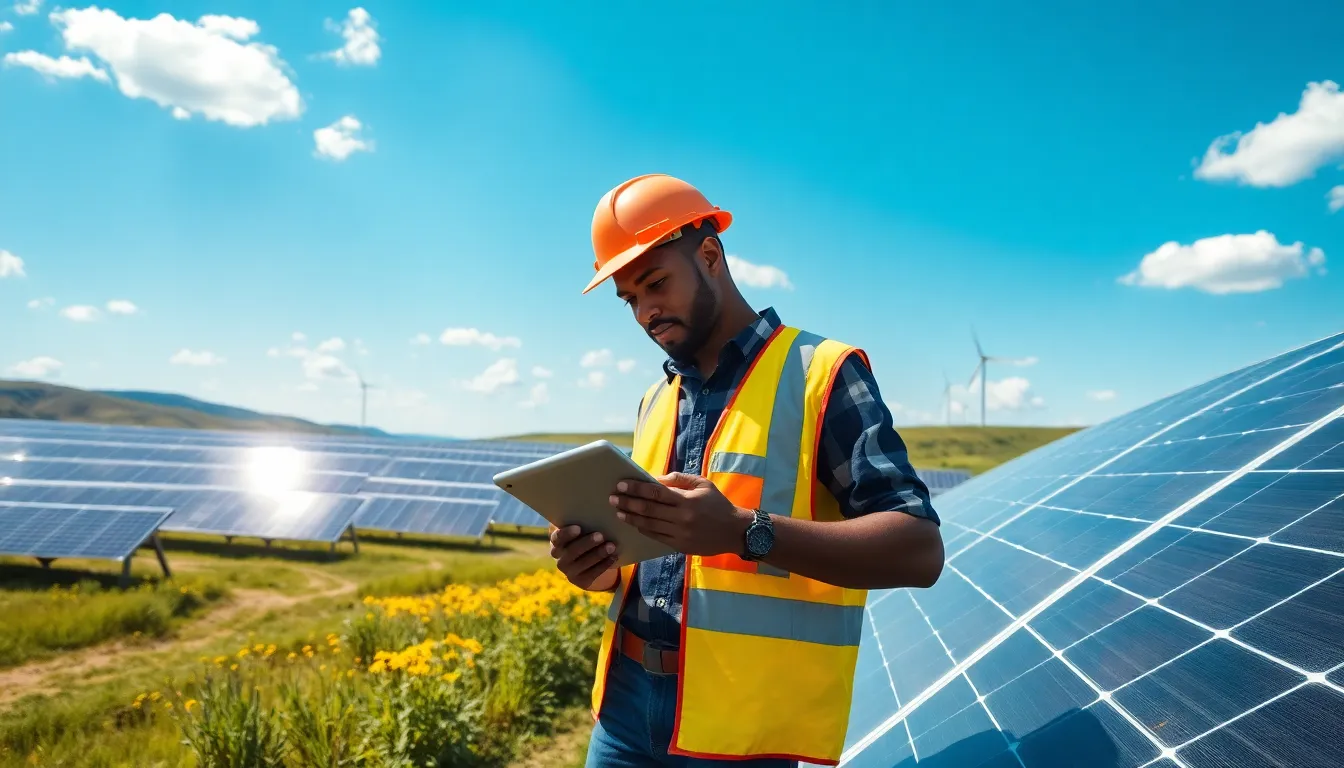
The energy sector is undergoing significant transformations as nations and companies seek to adapt to environmental, economic, and social pressures. An essential component of these transformations is the increased focus on renewable energy sources, which are reshaping the global energy landscape.
Impact of Renewable Energy Sources
Countries across the globe have made substantial investments in renewable energy sources such as solar, wind, and hydroelectric power. For instance, in 2021 alone, solar energy capacity surged, with several nations reporting substantial increases in domestic energy generation from solar technologies. Countries like Germany and China have become leaders in solar energy production, illustrating how viable renewable options can significantly reduce dependence on fossil fuels.
Also, wind energy is set to expand rapidly, with offshore wind farms becoming particularly popular due to their ability to generate power without the space limitations faced by onshore projects. This not only has implications for energy contents but also for job creation in new sectors focused on maintenance and technology improvements. Eventually, the shift towards these renewable sources is essential for meeting international climate goals, as outlined in frameworks like the Paris Agreement.
Emerging Technologies in Energy Production
Technological advancements are critical in supporting the transition to renewable energy. Innovations such as energy storage solutions, smart grids, and carbon capture technologies are at the forefront of this revolution. Battery storage technologies, particularly lithium-ion batteries, have made it increasingly feasible to store energy generated by solar and wind in sufficient quantities to supply consistent energy, even when production fluctuates.
Also, smart grids are using AI and data analytics to optimize energy distribution and consumption patterns, thereby facilitating more efficient energy usage across both residential and commercial sectors. Emerging technologies promise to streamline the energy production and distribution process, ensuring a more resilient and affordable energy future.
International Energy Policies and Agreements
As renewable energy sources gain momentum, international energy policies are striving to meet the challenges posed by climate change and energy security. Key frameworks and agreements govern how nations collaborate to ensure sustainable energy supplies while regulating emissions.
Regional Developments in Energy Supply
The European Union is one of the front-runners in international energy policy, having set ambitious targets for reducing greenhouse gas emissions and enhancing renewable energy consumption by 2030. Initiatives such as the European Green Deal are designed to transform the EU into a climate-neutral economy.
Similarly, countries like India and the U.S. are forging their paths through domestic policies targeting energy transitions. India, for instance, is focusing on increasing its solar energy capacity significantly as part of its commitment to international agreements aimed at climate mitigation.
Key Changes in Energy Consumption Patterns
Consumer awareness about sustainability has led to shifts in energy consumption patterns in various regions. The demand for electric vehicles (EVs), energy-efficient appliances, and green building practices reflects a growing preference for sustainable options. Recent studies indicate that in markets such as the U.S. and Canada, there has been a noticeable increase in households adopting solar panels and implementing energy-efficient measures.
This shift not only benefits the environment but also resonant with consumers’ desire for savings on energy bills, making sustainable energy choices increasingly viable.
Notable Innovations in Energy Efficiency
Innovation plays a key role in enhancing energy efficiency across sectors. As new technologies emerge, they redefine how energy is generated, consumed, and managed.
Public Perception and Energy Consumption
Public perception of energy efficiency has evolved over time, largely due to increased media coverage and educational efforts highlighting climate-related issues. Surveys indicate that many consumers are willing to invest in energy-efficient appliances and practices if they believe their actions contribute to a larger environmental cause.
But, misconceptions about the cost and efficiency of such investments remain a barrier for some, calling for ongoing education and outreach efforts to demonstrate the long-term benefits of energy-efficient technologies.
The Role of Governments and NGOs
Governments and non-governmental organizations play a pivotal role in promoting energy-efficient practices through regulations, incentives, and educational programs. Collaborative initiatives focusing on energy conservation can lead to more informed consumer choices and bolster the adoption of innovative technologies.
Examples include government grants for energy upgrades in homes, or NGOs organizing community programs to raise awareness about energy-saving practices. These partnerships can significantly enhance the effectiveness of energy policies and engage citizens in meaningful ways.
Conclusion
The energy landscape is undeniably shifting towards more sustainable practices as the world faces the consequences of climate change. Current global energy trends indicate a robust commitment to renewable resources, driven largely by technological advancements and shifts in public perception. International policies contribute to shaping the energy supply landscape, especially in regions that prioritize sustainability.
As innovations continue to emerge, opportunities for greater energy efficiency will be realized, enabling both individuals and societies to weave sustainability deeper into the fabric of their energy practices. The continuous collaboration between governments, organizations, and communities will be essential to navigate this complex, ever-evolving terrain. With a collective effort, the future of energy can be more sustainable, equitable, and resilient.

