
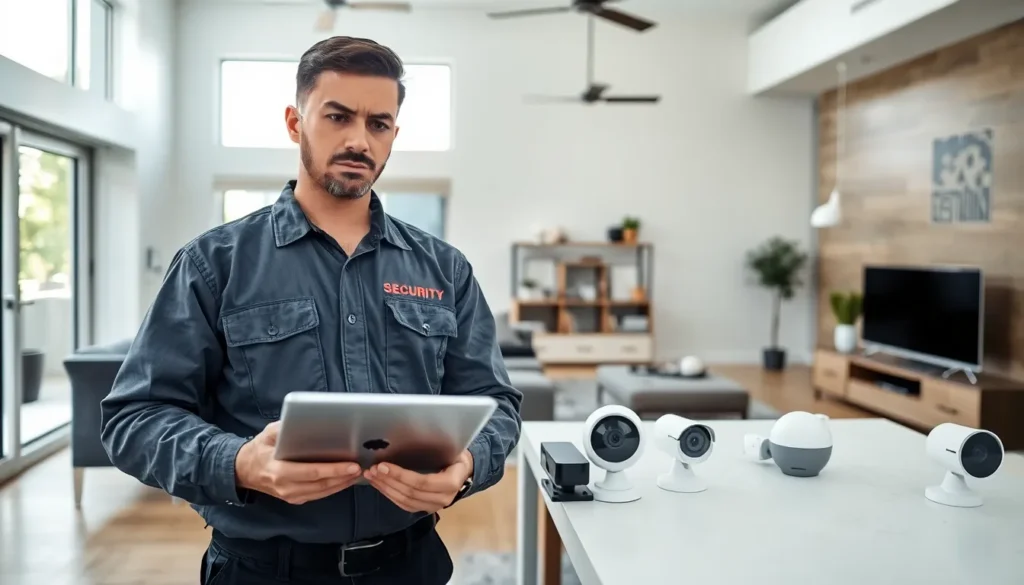
Welcome to the booming world of security camera installation. If you think your neighbor’s surveillance setup is a bit much, hold on to your hats. This industry is not just about catching petty thieves: it’s about arming homes and businesses against an increasingly unpredictable world. With crime rates fluctuating and security concerns on the rise, starting a security camera installation business can be as profitable as it is rewarding. Buckle up as we explore the ins and outs of this increasingly important field.
Understanding the Security Camera Installation Market

Types of Security Cameras
When diving into the security camera installation business, it’s essential to know the variety of cameras out there. From high-tech dome cameras that blend in with décor to bullet cameras designed for external monitoring, options abound. There are also hidden cameras for the stealthy observer and PTZ (pan-tilt-zoom) cameras for those needing more flexibility. Familiarity with these varieties helps installers offer tailored solutions to their clients.
Key Market Trends and Opportunities
The demand for security systems is continually rising, driven largely by technological advancements. Features like smart technology integration, movement detection, and cloud storage capabilities are becoming standard. Clients are not just looking for security: they want intelligent monitoring systems. By tapping into the trends surrounding smart home automation and AI integration, a security camera installation business can strategically position itself to capitalize on an expanding market.
Identifying Your Target Audience
Residential vs. Commercial Clients
Understanding the difference between residential and commercial clients is crucial. Homeowners often seek cost-effective solutions with basic features, while businesses require more extensive setups with advanced functionalities. Tailoring services to meet these varied needs can make or break an installation business.
Understanding Client Needs and Preferences
Each client comes with specific security requirements. Conducting thorough assessments helps installers understand client backgrounds, concerns, and preferences. Some may prioritize surveillance aesthetics, while others focus solely on security features. Customized solutions can lead to higher satisfaction and retention rates.
Starting Your Security Camera Installation Business
Licensing and Certification Requirements
Before launching the business, it’s vital to understand the licensing requirements unique to security installation. In many regions, installers need specific licenses, and certain certifications may elevate credibility. Seeking training programs that offer industry-recognized certifications can also enhance trustworthiness.
Equipment and Tools Needed
A robust toolkit is the backbone of any installation. Essential tools include drills, screwdrivers, and cabling supplies. Multiple camera options, wired, wireless, and IP-based, should be readily available for varied job scopes. Investing in quality equipment ensures smooth installations and pleased clients.
Creating a Business Plan
A well-structured business plan outlines objectives, strategies, and financial projections. This roadmap provides not just direction but also attracts potential investors and partners. Including sections on marketing strategies, target audience, and operational plans can strengthen the business’s foundation.
Marketing Strategies for Your Business
Building a Strong Online Presence
In this digital age, having a strong online presence is non-negotiable. An SEO-optimized website showcases services, successful installations, and client testimonials. Social media platforms can boost brand visibility and resonate with a younger audience who often engage with brands online.
Networking and Local Advertising
Establishing connections with local businesses and real estate services can create referral opportunities. Participating in community events can bolster brand recognition. Offering promo deals or referral discounts can persuade potential clients considering security upgrades.
Providing Exceptional Customer Service
Managing Installation Projects Effectively
Effective project management ensures installations run smoothly. Understanding timelines, maintaining clear communication, and managing client expectations are vital for project success. Happy clients are more likely to recommend services to friends and family.
Follow-Up and Maintenance Services
Once installation is complete, following up with clients is important. Offering maintenance services not only adds a revenue stream but also nurtures client relationships. Clients appreciate having someone to turn to for ongoing support, this can lead to repeat business and a solid reputation.

