
In a world where the only thing scarier than your morning coffee might be the thought of break-ins at your business, small business security cameras are nothing short of a hero in disguise. They’re like the vigilant guardians of the keys to your dream. Not only do they deter mischief, but they also provide peace of mind without very costly, because who really wants to be on a first-name basis with their local police station? Grab a cup of coffee, and let’s jump into the world of small business security cameras that are smarter and sleeker than ever.
Importance of Security Cameras for Small Businesses
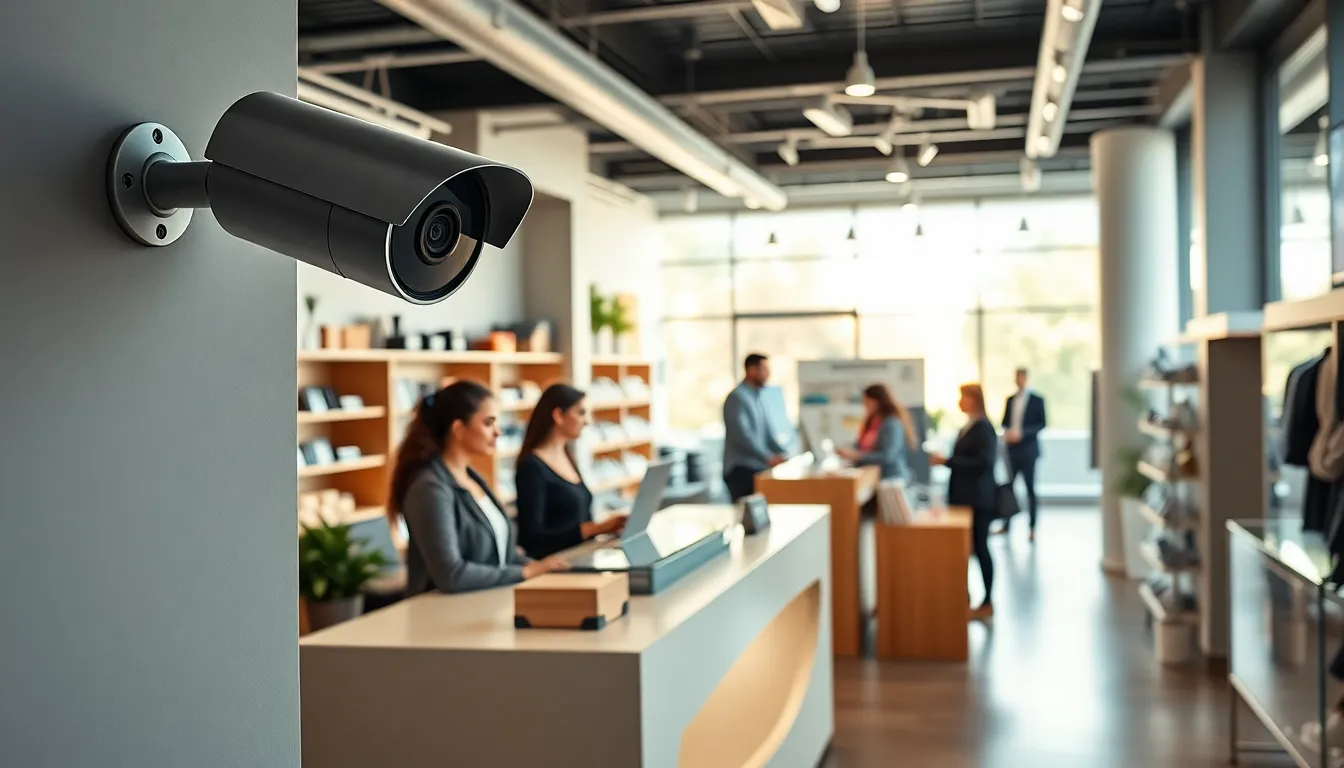
Security cameras are essential for safeguarding assets in small businesses. Any owner knows the struggle of balancing costs with necessary protection. Without adequate security measures, businesses become easy targets for theft and vandalism. A simple deterrent like a camera can significantly lower the risk. In fact, many studies indicate that potential criminals often think twice when they spot a camera. The sight of a camera not only protects physical assets but also enhances employee safety. With the right setup, small business owners can enjoy greater peace of mind, knowing that they are doing everything possible to keep their establishments secure.
Also, video footage can be crucial for resolving disputes or confirming incidents. It offers irrefutable evidence in case of misunderstandings, because nobody wants to argue about who spilled coffee on the counter. So, investing in security cameras isn’t just about protection: it’s a proactive approach to managing a safe business environment.
Types of Security Cameras Available
When it comes to security cameras, options abound, and choosing the right type can feel like selecting a favorite child. Here’s a breakdown of common types:
Indoor Security Cameras
These compact units are perfect for monitoring high-traffic areas. They provide unobtrusive surveillance and can often blend in with the office decor.
Outdoor Security Cameras
Built to withstand the elements, outdoor cameras are essential for monitoring entry points and perimeters. Depending on the model, they might come with features like night vision, motion detection, and even weather resistance.
Wireless Security Cameras
Ideal for locations without easy access to power supplies, wireless cameras can be a game-changer. They connect to Wi-Fi and can be positioned nearly anywhere, making them incredibly versatile.
PTZ Cameras
Pan-Tilt-Zoom cameras allow operators to manipulate the camera’s angle and zoom remotely. These cameras can cover larger areas, and are particularly useful in surveillance situations requiring flexibility.
Dome Cameras
Often found in retail settings, dome cameras offer a discreet way to monitor areas without revealing which direction they’re facing. This can deter potential wrongdoers who might prefer to avoid detection.
Factors to Consider When Choosing a Security Camera
Selecting the right security camera system isn’t a one-size-fits-all ordeal. Here are crucial factors to consider:
Resolution
High-definition video may seem like a luxury, but clarity can be vital when identifying faces or license plates. Opting for at least 1080p resolution is standard practice.
Field of View
The camera’s field of view dictates how much area it can cover. Wider angles mean fewer cameras needed to monitor large spaces, but the distance might limit detail.
Storage Options
Examining how footage is stored is crucial. Whether it’s cloud-based or local storage, each has its pros and cons. Businesses need to analyze their data storage needs based on footage usage and retention policies.
Night Vision
Depending on business hours, cameras with night vision may be essential. Cameras equipped with infrared capabilities can ensure thorough surveillance even in darkness.
Budget
While it’s tempting to select the option with all the bells and whistles, businesses should evaluate their budget carefully. A well-planned investment can provide security without financial strain.
Installation and Maintenance of Security Cameras
Installing security cameras may seem daunting, but it doesn’t have to be. Professional installation ensures optimal placement and functionality. Many security companies offer packages that include this service, simplifying the process.
DIY Installation
For the budget-savvy owner, DIY installation is also an option. With ample online resources and clear instructions, setting up cameras without very costly is achievable. Just ensure sturdy mounts and proper alignment.
Maintenance Tips
Regular maintenance can significantly extend the camera’s life. Cleaning lenses periodically keeps visibility clear, and checking software for updates will help maintain security protocols. Owners should also routinely check camera angles to ensure no blind spots occur over time.
Integrating Security Cameras with Other Security Systems
In today’s interconnected world, integrating security cameras with other systems is smarter security management. For instance, linking cameras to an alarm system can trigger alerts if suspicious activity is detected. This dual approach can act as a strong deterrent when combined.
Also, some business owners opt for smart locks and motion sensors, which can communicate with the camera system, allowing for real-time video access. This interconnected approach means that owners can monitor their establishments from their mobile devices, creating comprehensive oversight, even when they’re far from the premises.
It’s worth considering a centralized system where all devices operate seamlessly, functioning as the brain of your business’s security, enabling smarter adjustments and quick responses to potential threats.
Benefits of Utilizing Security Cameras
The benefits of investing in security cameras extend beyond mere deterrence. Here’s a rundown of the key advantages:
Theft Prevention
Many studies indicate that businesses employing visible security measures experience lower theft rates. With cameras in place, the perception of risk for would-be criminals increases.
Remote Monitoring
Business owners can keep an eye on their properties from anywhere. Many modern cameras offer apps for smartphones or tablets, allowing for mobile access to live feeds and recorded footage.
Enhanced Employee Safety
Establishments that prioritize employee safety underscore their commitment to a positive working environment. Employees feel more secure knowing they are monitored, which can boost morale and productivity.
Reduction in Insurance Premiums
Some insurance providers offer discounts for businesses with advanced security systems. This can lead to significant savings over time, making the upfront investment even more worthwhile.
Future Trends in Small Business Security Cameras
As technology advances, the security camera industry keeps evolving. Here’s a glimpse into emerging trends:
AI Integration
Artificial Intelligence is making security systems smarter. Cameras can now recognize faces and detect unusual activities, providing alerts in real-time. This technology enhances security and streamlines surveillance processes.
Cloud-Based Solutions
Cloud computing is becoming a staple for security systems. Businesses can store footage remotely, freeing up internal storage and ensuring easy access without extensive hardware investments.
4K Video Quality
High-resolution cameras are gaining popularity as businesses seek impeccable clarity. The ability to zoom in without losing detail can prove invaluable during an investigation.
Sustainability
Environmentally focused businesses are looking for energy-efficient security camera systems, promoting sustainability and reducing operational costs, while still ensuring comprehensive surveillance.

