

Vinyl roofing might sound like something pulled from a sci-fi movie, but it’s as real as your neighbor’s questionable lawn gnome collection. If you’re searching for a roof that won’t just keep you dry but also brings some serious style to your home, you’ve come to the right place. This guide delves into everything you need to know about vinyl roofing, think of it as your personal GPS for navigating the wild world of rooftops. Ready to impress with your newfound knowledge? Let’s immerse.
What Is Vinyl Roofing?
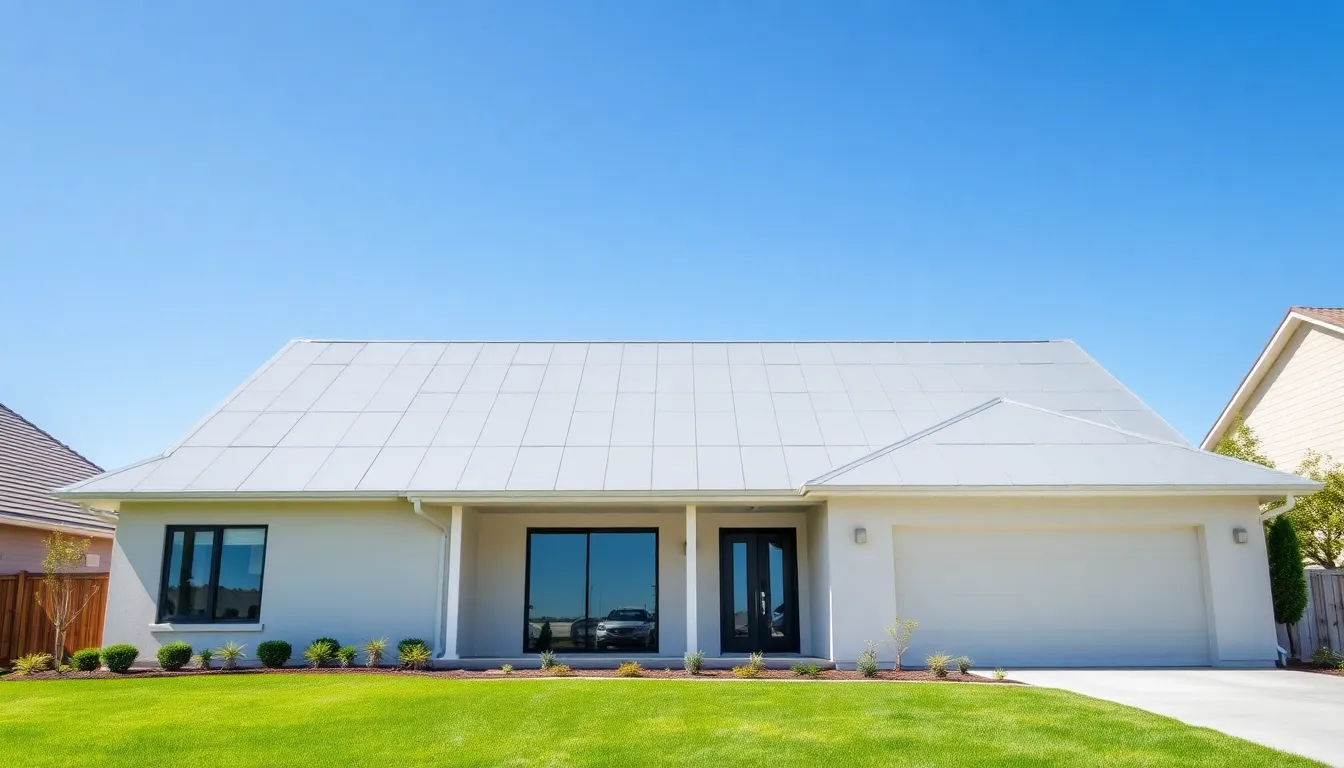
Vinyl roofing is an innovative solution primarily made from polyvinyl chloride (PVC), a material known for its durability and longevity. This type of roofing system is often used in flat and low-slope applications, providing a waterproof barrier that’s resistant to the elements. Unlike traditional roofing materials, vinyl offers exceptional strength without the hassle of frequent replacements. It’s lightweight, easy to install, and can be manufactured in a variety of colors and styles, allowing homeowners to customize their roofs according to personal aesthetics. In essence, vinyl roofing serves as an effective shield against rain, snow, and UV rays, ensuring a home stays protected for years to come.
Benefits of Vinyl Roofing
When it comes to benefits, vinyl roofing hits a home run. Here are some standouts:
- Durability: Vinyl roofs are built to withstand harsh weather conditions, including heavy rain, wind, and hail. They can last over 30 years with proper maintenance.
- Energy Efficiency: Many vinyl roofs are designed with energy-saving technology, helping to reflect sunlight and keep homes cooler, which can lower your energy bills.
- Low Maintenance: With vinyl, homeowners can wave goodbye to frequent repairs. This material is resistant to mold, mildew, and algae, allowing for easier upkeep.
- Cost-Effective: Although the upfront cost might be slightly higher than traditional roofing options, its longevity and low maintenance requirements often lead to savings in the long run.
- Environmentally Friendly Options: Many manufacturers are now producing recyclable vinyl materials, making it a more sustainable choice compared to other roofing options.
Installation Process of Vinyl Roofing
Installing vinyl roofing is a straightforward process when handled by a professional. Here’s how it typically unfolds:
- Inspection: A thorough examination of the existing roof is crucial. Any repairs needed before installation must be addressed.
- Preparation: The roofing surface is cleaned and prepared, ensuring optimal adhesion for the new vinyl material.
- Underlayment: A protective underlayment is laid down to provide an additional layer of waterproofing.
- Vinyl Sheets Installation: Large sheets of vinyl are rolled out and adhered to the underlayment, ensuring seams are properly sealed to prevent leaks.
- Finishing Touches: Finally, edges and flashings are installed to provide a neat finish and further protect against weather elements.
Maintenance and Care for Vinyl Roofing
Caring for vinyl roofing is relatively simple, requiring minimal effort from homeowners. Regular inspections are essential:
- Check for Debris: Remove leaves, branches, and other debris that can trap moisture and lead to mold growth.
- Clean the Surface: Periodic cleaning can help maintain the roof’s appearance. Use a mild detergent and a soft bristle brush for best results.
- Inspect for Damage: Look out for any signs of wear or damage, especially after severe weather conditions. Early detection can save time and money.
- Professional Inspections: Hiring a roofing professional for an annual inspection can provide peace of mind, ensuring that your roof remains in optimal condition.
Cost Considerations for Vinyl Roofing
Understanding the costs associated with vinyl roofing is crucial for budget-conscious homeowners. Here are key points to consider:
- Installation Costs: On average, installation costs can range between $3.50 and $7.50 per square foot, depending on your location and roof type.
- Material Costs: The price of vinyl itself can vary, usually falling between $1.50 and $4.00 per square foot.
- Long-Term Savings: Factor in the longevity and low maintenance requirements, which can translate to savings over time.
- Insurance Considerations: Some insurance companies offer discounts for homes with durable roofing materials like vinyl. It’s worth discussing with your insurance agent.
Comparing Vinyl Roofing to Other Materials
When weighing options, it helps to compare vinyl to other roofing materials:
- Asphalt Shingles: Typically cheaper upfront, but less durable and requires frequent replacements.
- Metal Roofing: More expensive, but can last longer than vinyl, although it may not provide the same aesthetic versatility.
- Slate: Great longevity and aesthetics, but costs significantly more and requires more structural support.
On balance, vinyl roofing provides a compelling mix of affordability, durability, and style that makes it a popular choice among homeowners.

